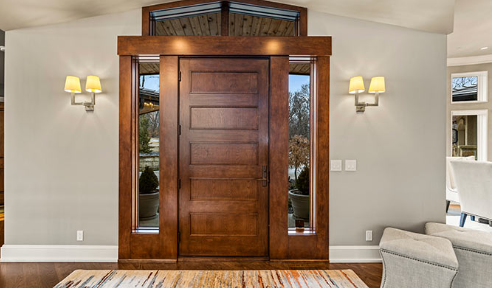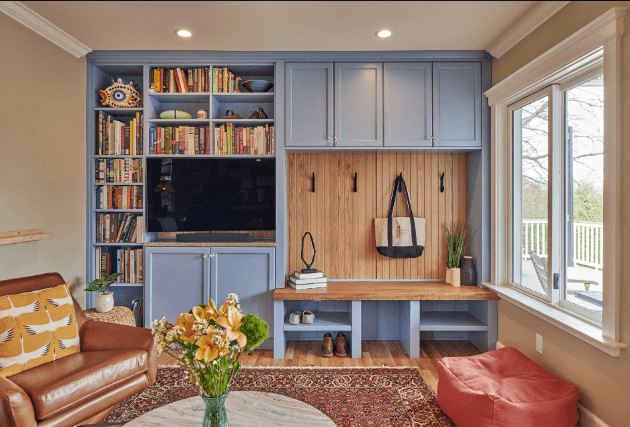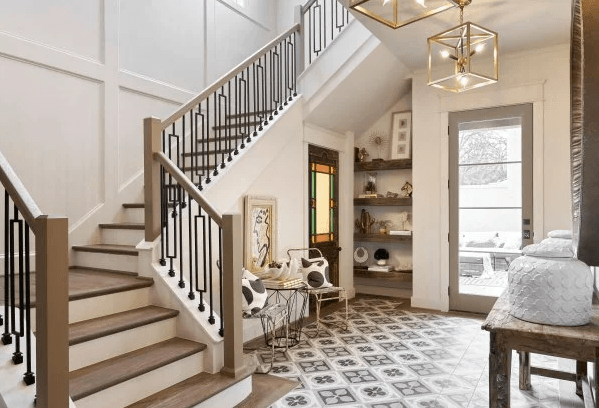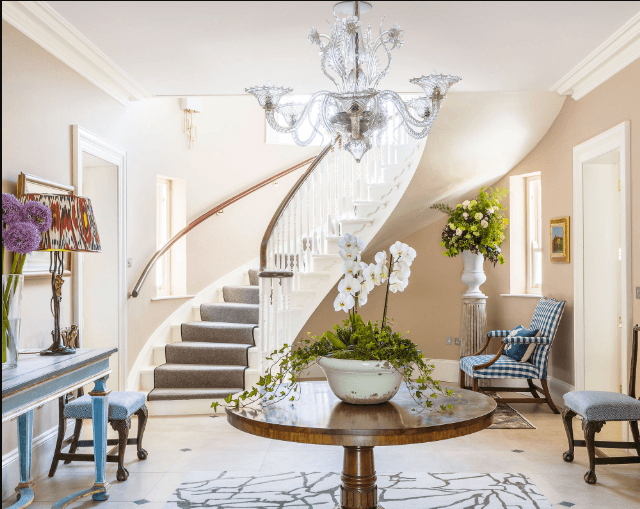

Entryway lighting design blends practicality with welcome. It uses layered illumination—ambient, task, and accent—to define space without glare. Fixtures should reinforce architecture and line, with mounting heights that favor safety and visibility in compact foyers. Energy efficiency and smart controls respond to occupancy and natural light, while a maintenance plan preserves optics and performance. The result is a calm, navigable threshold that invites further consideration of how light shapes the entry experience.
What Makes Entryway Lighting Practical and Inviting
A well-designed entryway combines practicality with a welcoming atmosphere by balancing illumination needs with human-centered cues. The space prioritizes entryway comfort through glare-free layers, controlled brightness, and proportional fixtures, ensuring safe navigation.
Practical illumination emerges from task-focused accents and low-profile sources that reduce fatigue. Materials, finishes, and mounting heights optimize visibility while sustaining a breathable, freedom-oriented, technical aesthetic.
Layering Light: Ambient, Task, and Accent in Small Spaces
Layering light in small entryways demands a disciplined approach that distinguishes ambient, task, and accent roles while preserving spatial clarity. In small spaces, layered schemes balance general illumination with focused work areas, while selective highlights sculpt depth and character. This methodical framework enables precise control, reduces glare, and upholds freedom of movement, guiding perception through layering light without overwhelming the entry corridor.
Choosing Fixtures to Highlight Architecture and Safety
Choosing fixtures to highlight architecture and safety requires a disciplined selection that reinforces structural features while ensuring unobtrusive, reliable illumination. The right choice leverages entryway fixtures that sculpt shadows and emphasize lines without overpowering spaces. Architectural emphasis is achieved through scale, mounting height, and glare control, enabling consistent guidance while preserving visual calm and functional safety.
Energy Efficiency, Controls, and Maintenance for Every Foyer
Energy efficiency, controls, and maintenance in entryways hinge on selecting lighting technologies and operating strategies that minimize energy use while preserving safety and visual comfort.
A deliberate maintenance strategy prioritizes lamp life, clean optics, and system diagnostics.
Controls should adapt to occupancy and daylight, reducing waste.
Energy efficiency improvements require integrated planning, reliable components, and periodic review of performance and maintenance strategy outcomes.
Frequently Asked Questions
How Do I Balance Style With Durability in Entryway Lighting?
A balanced durability approach involves selecting fixtures with sturdy housings and impact-resistant glass, while prioritizing versatile materials. Designers balance aesthetics with function, pairing finishes and forms that resist wear, ensuring timeless style without compromising utility or long-term performance.
See also: How Crypto Is Reshaping Global Finance
What Color Temperature Best Suits a Small Foyer?
A small foyer benefits from soft white lighting (around 2700–3000K) for coziness and daylight white (3500–5000K) for clarity; the choice balances ambience and visibility, enabling a flexible, expressive sense of space with precise color rendering.
How Many Fixtures Are Ideal for a Narrow Entry?
A precise rule suggests two to three fixtures. Like a pendulum, balance governs the narrow entryway. Ideal fixtures should deliver even task and ambient light, ensuring entryway scale is respected while maintaining flexibility for varied aesthetic preferences.
Can Lighting Changes Affect Home Security Perception?
Yes, lighting changes can influence home security perception; strategic illumination alters here key security cues and overall lighting perception, shaping observer interpretation. In technical terms, balanced, motion-activated, and well-distributed lighting enhances perceived vigilance while preserving an airy sense of freedom.
What DIY Tips Save on Entryway Lighting Costs?
DIY lighting strategies include selecting efficient LEDs, leveraging daylight integration, and using motion-activated controls. Cost saving hinges on smart zoning and durable fixtures. The approach appeals to freedom seekers while maintaining technical clarity in performance and savings orientation.
Conclusion
A practical foyer thrives where light is thoughtfully layered and renderings of space are precise. In one home, a 60-watt equivalent LED fixture with dimmer became a quiet conductor, guiding arrivals while conserving energy. The cue is clear: strategic mounting and clean optics reduce glare and reveal architectural line. When occupancy sensors harmonize with daylight, the entry becomes a reliable compass. Ultimately, disciplined maintenance preserves performance, ensuring safety and welcome, year after year.