Newsletter Subscribe
Enter your email address below and subscribe to our newsletter
Enter your email address below and subscribe to our newsletter

 ByJohn A
Small entryways demand smart zoning and compact, multifunctional furniture. The approach favors dedicated zones for footwear, outerwear, and daily essentials, with modular shelves, hooks, and labeled bins to curb clutter. Fewer bulky pieces and stackable or foldable options reclaim floor space. Brightness matters: reflective surfaces, light colors, and strategic lighting expand the feel. A practical, stepwise plan keeps the threshold clean and airy, inviting ongoing optimization without overwhelming the senses. The next questions focus on how to implement these ideas efficiently.
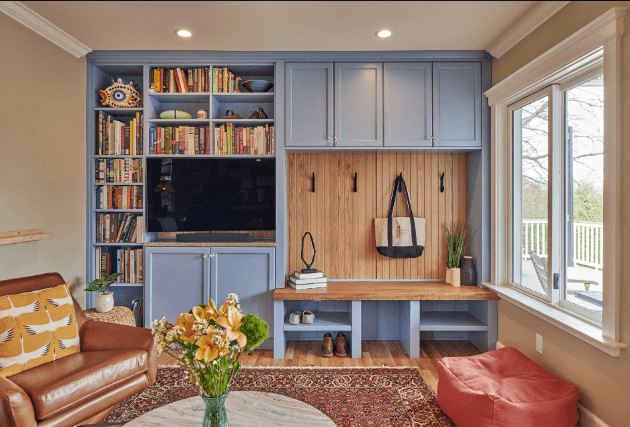
Smart zoning transforms cramped entryways by dedicating distinct zones for footwear, outerwear, and daily essentials, minimizing clutter at the door. The approach emphasizes modular shelves, hooks, and labeled bins to support space saving and smart organization. By design, it offers flexible workflows, reduces friction, and promotes autonomy, enabling individuals to reclaim surface area and confidently navigate a streamlined,自由 environment.
Multifunction furniture is the key to maximizing visual space and utility in compact entryways. Carefully chosen pieces blend seating, storage, and surface area without clutter.
Multifunction seating pairs with hidden storage to reduce bulk while preserving function. Select modular options that stack, hinge, or fold, enabling varied configurations. This approach supports freedom-minded décor while maintaining clean, purposeful entryways.
From the foundation of multifunction furniture in compact entryways, brightness becomes the primary amplifier of perceived space. Light psychology informs fixture selection and placement, guiding eye flow for openness. Reflective surfaces bounce daylight, while color contrast defines zones and depth. Subtle sheen && contrast also heighten gravity-defying ceilings. Together, these tactics cultivate freedom-oriented, visually expansive, livable thresholds.
Could a compact foyer be transformed in a few decisive steps? A step-by-step mini renovation plan targets efficiency, not excess. Measure precisely, select modular storage, and install wall-mounted accessories to maximize floor space. Implement space zoning with distinct zones: coat area, landing surface, and behind-door storage. Prioritize bright finishes, durable materials, and hidden hardware for a clean, liberating tiny foyer.
Hook installation ideas include adhesive hooks, tension rods, or freestanding racks as wall mount options; they avoid drilling. The approach emphasizes balance, weight limits, and removal ease, reflecting a trend-aware, freedom-seeking approach to practical, damage-free organization.
A practical budget range for tiny entryways typically centers around modest investments, prioritizing multifunctional pieces; spending roughly 500–1500 USD can yield stylish, durable results. The budget range supports trend-aware aesthetics while preserving freedom and flexibility in design.
Rug runners can enhance safety when chosen for non slip safety; they reduce slips on bare floors. However, they must have a reliable grip underfoot, be properly sized, and secured to prevent curling, ensuring consistent traction and minimal trip risk.
See also: Entryway Lighting Design Tips
An approach to hide electronics and chargers neatly involves discreet cable management stations and wall-mounted docks. The design prioritizes hide cables, cordless charging, and minimalism, delivering a sleek, freedom-loving aesthetic that remains functional and trend-aware for modern spaces.
Yes, plants can thrive in low-light entryways with proper care. They favor plants lighting that tolerates shade and choose shallow-rooted varieties. Consider shady placement near indirect light, consistent watering, and occasional fertilizer to sustain vigor.
A well-organized entryway sets the tone for the home, even in tight spaces. By zoning for shoes, outerwear, and daily items, and choosing multifunctional, storage-forward furniture, small foyers feel calmer and wider. Bright finishes and reflective surfaces amplify every inch, while wall-mounted and modular solutions keep the threshold clean. Statistically, homes with dedicated entry storage report 20–30% less clutter year-round, translating design choices into real, measurable calm and everyday efficiency. A chic, practical welcome awaits.