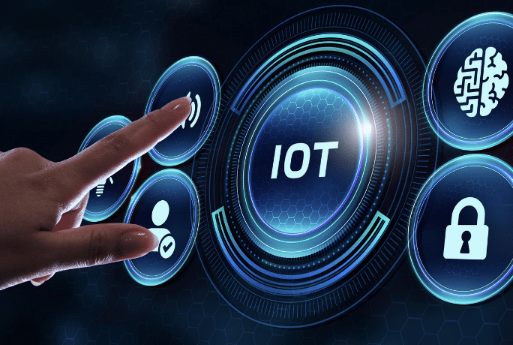

The Internet of Things (IoT) represents a significant shift in how devices interact within our environment. By connecting everyday objects through the internet, these devices can collect and share data, leading to enhanced efficiency and innovation. However, as IoT technology develops, it raises questions about security, privacy, and its impact on daily life. Understanding these complexities is essential for grasping the full potential of IoT and its implications for the future.
What Is the Internet of Things (IoT) and How Does It Work?
The Internet of Things (IoT) represents a revolutionary network of interconnected devices that communicate and exchange data over the internet.
Its architecture comprises sensor networks that gather real-time information, while data analytics processes this data to extract meaningful insights.
Connectivity protocols facilitate seamless interactions among devices, enabling a dynamic ecosystem that empowers users, enhances efficiency, and fosters innovation in various sectors.
Key Components Driving IoT Innovation
Advancements in technology are pivotal to the growth and evolution of the Internet of Things (IoT), significantly influencing its innovation landscape.
Key components include sensor technology for data collection, data analytics for insights, and connectivity protocols that ensure seamless communication.
Edge computing enhances responsiveness, while cloud integration supports scalability.
Robust security measures and device interoperability ultimately elevate user experience, driving further IoT advancements.
See also: Understanding Malware and How It Works
Real-World Applications of IoT in Daily Life
While many may associate the Internet of Things (IoT) with complex industrial applications, its real-world applications in daily life are increasingly transforming how individuals interact with their environments.
Smart homes enhance convenience, while wearable devices monitor health proactively.
In agriculture technology, IoT optimizes crop management, and smart cities leverage data for efficient urban planning, showcasing the profound impact of IoT across various sectors.
The Future of IoT: Opportunities and Challenges
As the Internet of Things continues to integrate more deeply into daily life, it opens up a landscape rich with opportunities and challenges for the future.
Innovations promise enhanced connectivity and efficiency, yet they also raise significant data security concerns.
Additionally, regulatory challenges may hinder growth, compelling stakeholders to strike a balance between technological advancement and safeguarding individual freedoms in an increasingly connected world.
Conclusion
In the grand tapestry of modern life, the Internet of Things is akin to a masterful weaver, intricately connecting disparate threads into a cohesive fabric of innovation and efficiency. As it navigates the loom of opportunity and challenge, each device plays its role, contributing to a dynamic pattern that enhances daily existence. However, as with any artwork, the balance between creativity and caution is essential; a misstep could unravel the very connections that bind us to this digital age.